
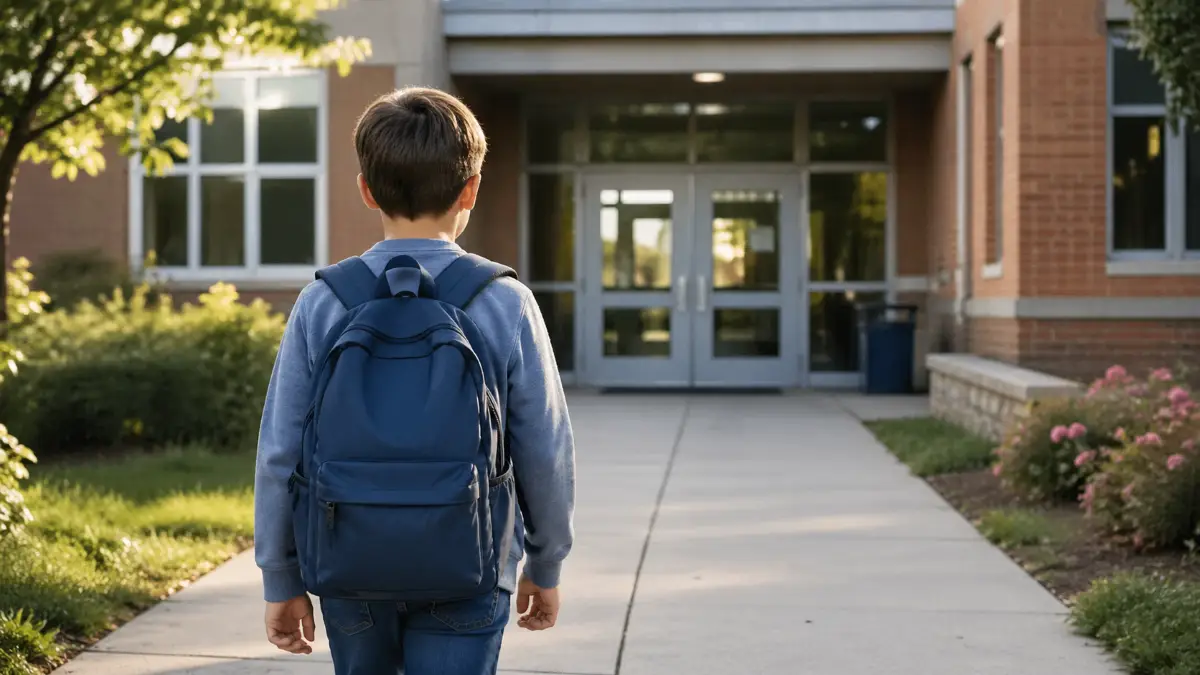
School refusal can be heartbreaking and frustrating for parents. One morning your child may be crying, refusing to get dressed, complaining of stomach aches, clinging at the door, or becoming overwhelmed before school even begins. To the outside world, it may look like they are being difficult. But often, school refusal is a sign that something deeper is going on.
School refusal is not simply a child “not wanting” to go to school. For many children, school can begin to feel emotionally unsafe, overwhelming, or impossible to face. This may be connected to anxiety, separation worries, social stress, bullying, academic pressure, sensory overwhelm, friendship challenges, big life changes, or fear of being away from home.
The difficult part is that staying home often brings short-term relief. Your child may calm down once they know they do not have to go. But over time, avoiding school can make the fear grow stronger. The longer a child stays away, the harder it can feel to return.
Therapy can help children understand what they are feeling and learn tools to manage anxiety, stress, and emotional overwhelm. It can also help parents respond with compassion while still building structure, consistency, and confidence around school routines.
A Helpful Tip for Parents
Instead of starting with, “You have to go to school,” try asking: “What feels hardest about going to school today?”
This small shift can help your child feel less judged and more understood. Once you know what feels difficult, you can begin breaking the problem into smaller, more manageable steps.
For example, if the hardest part is walking into the classroom, the goal may not be a full school day right away. It may start with driving to the school, walking to the entrance, meeting a trusted staff member, or creating a gradual return plan.
School refusal is not solved through pressure alone. Children often need emotional support, practical strategies, and a team approach between parents, therapists, and the school.
Frequently Asked Questions About School Refusal
What causes school refusal in children?
School refusal can happen for many reasons. For some children, it may be connected to anxiety, separation worries, social stress, bullying, academic pressure, sensory overwhelm, friendship challenges, or difficulty with transitions. Sometimes a child may not have the words to explain what feels wrong, so their distress shows up through avoidance, tears, physical complaints, or morning struggles.
Is school refusal the same as skipping school?
No. School refusal is usually different from skipping school. Children experiencing school refusal are often not trying to be defiant or avoid responsibility. Instead, they may feel overwhelmed, anxious, scared, or emotionally unable to attend. They often want to feel better but do not know how to face school without support.
Can therapy help with school refusal?
Yes. Therapy can help children better understand their feelings, learn coping strategies, and build confidence around returning to school. It can also support parents with tools to respond calmly, create structure at home, and work with the school on a gradual plan. At Health & Wellness Counselling & Psychotherapy, we offer school refusal support, child therapy, and anxiety counselling in Vaughan/Woodbridge, with virtual therapy available across Ontario.
If your child is struggling with school refusal, anxiety, emotional overwhelm, or school-related stress, our team can help. Health & Wellness Counselling & Psychotherapy offers child therapy in Vaughan/Woodbridge and virtual therapy across Ontario.
Book a free 15-minute consultation to learn how we can support your child and family.